Are all road users required to obey traffic signs?
Basic concepts
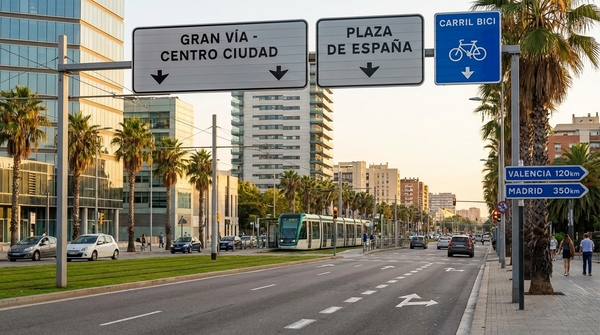
Explanation
All **road users**, both **drivers** and **pedestrians**, are required to obey **traffic signals**. This is because signals are designed to regulate traffic and ensure the safety of everyone on the road.
- Traffic signals must be followed across the entire width of the street or road, and they cannot be changed without a justified cause. This ensures that all road users have the same indications and can act in a predictable and safe manner.
- At intersections, it is essential to follow the instructions of the signals to avoid accidents and facilitate the flow of traffic. For example, you should not enter an intersection if there is a risk of getting trapped and obstructing the passage of other vehicles or pedestrians.
- There are different types of signals that have priority in their obedience. First, the **signals and orders from traffic officers** must be followed. Then, temporary signals and those warning of curves and obstacles, followed by **traffic lights** and, finally, **vertical traffic signs**.
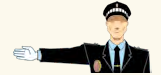
In summary, all road users must obey traffic signals to maintain safety and order on the roads.
Select an answer
Keep going with more translated questions, explanations and full tests in the app.