How is driving on motorways and dual carriageways compared to driving on urban roads?
Highways and motorways
Explanation
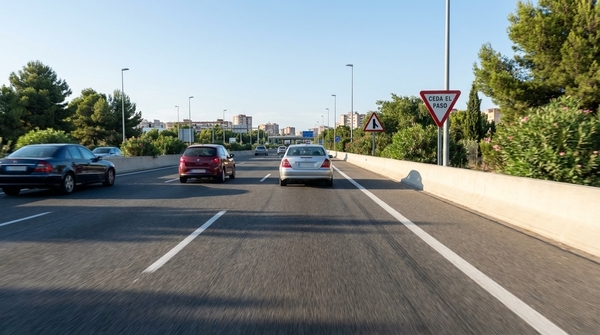
**Motorway and dual carriageway driving** is faster compared to urban roads for several reasons:
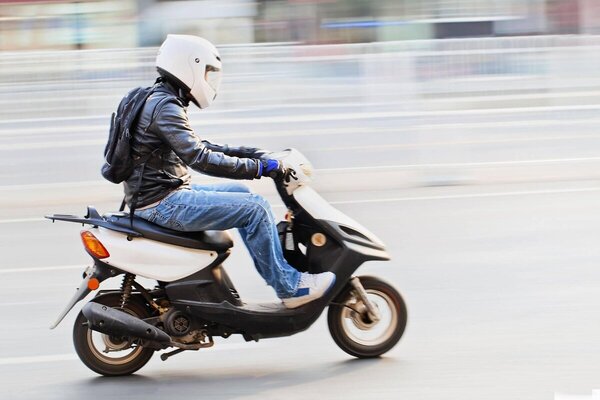
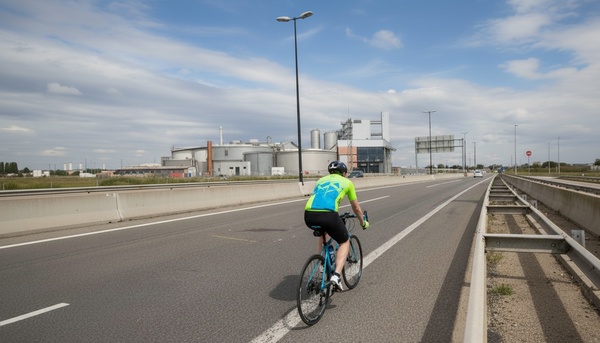
- **Access restrictions:** On motorways and dual carriageways, only cars and motorized vehicles are allowed. Pedestrians, bicycles, mopeds, and other low-speed vehicles are not permitted. This reduces slow traffic and allows for smoother and faster driving.
- **Road design:** Both motorways and dual carriageways are designed to facilitate fast transit. They have separate carriageways for each direction of travel, which minimizes the risk of accidents and allows for higher speeds.
- **Controlled access:** Motorways have limited and controlled access, meaning you cannot enter from just anywhere, but only through specific entrances. This helps maintain a constant and fast flow of vehicles.
- **Absence of level intersections:** On motorways, there are no crossings with other roads, railways, or trams, eliminating the need to stop at traffic lights or intersections, allowing for continuous and fast driving.
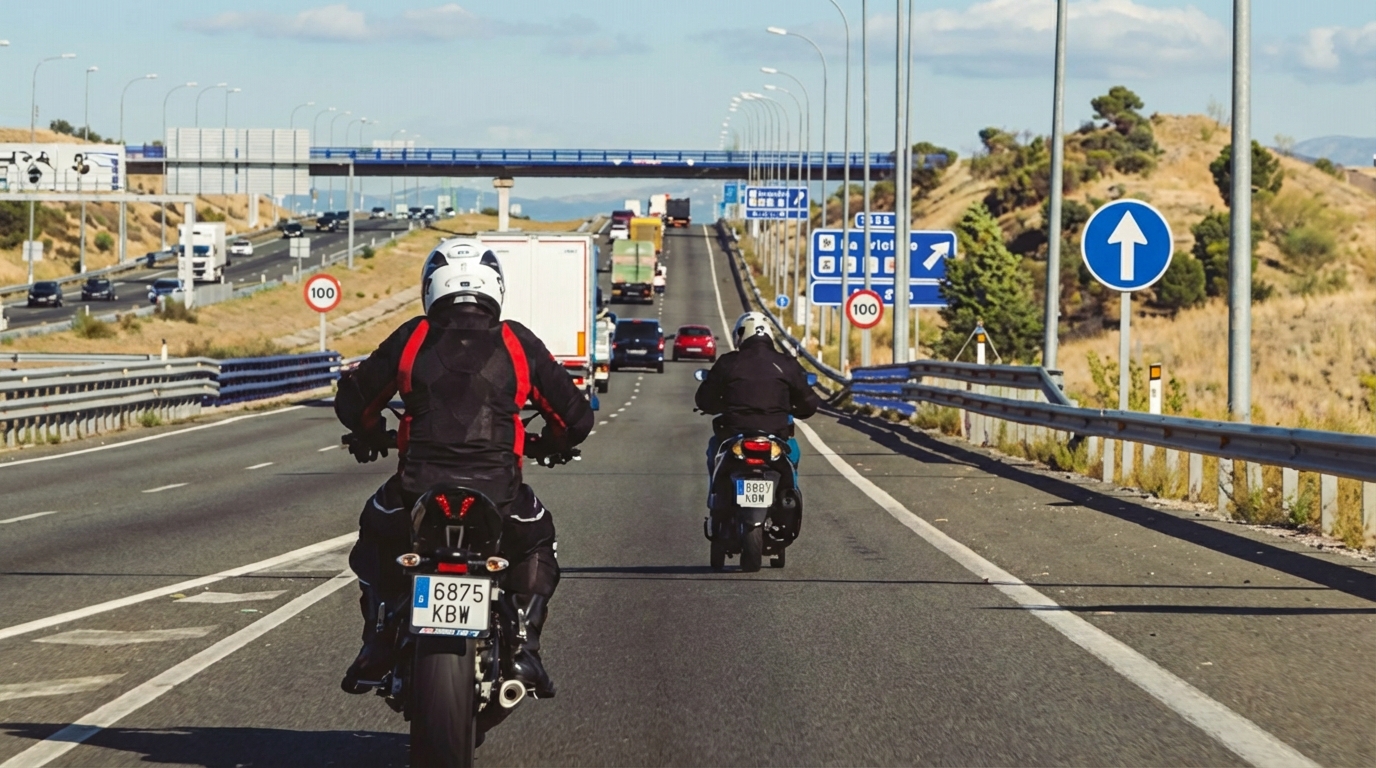
In summary, the design features and access restrictions on motorways and dual carriageways facilitate faster driving compared to urban roads, where traffic is denser and more varied.
Select an answer
Keep going with more translated questions, explanations and full tests in the app.