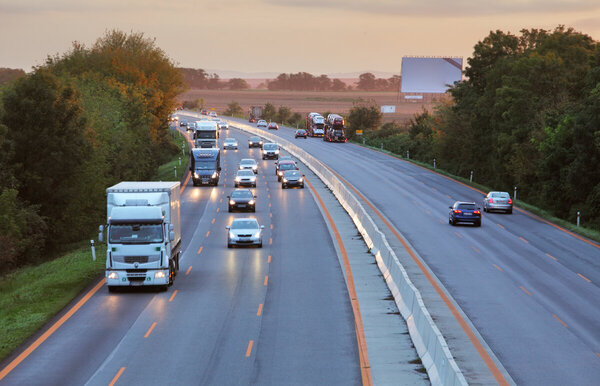
When must you drive on the hard shoulder of a dual carriageway (autovía)?
Highways and motorways
Explanation
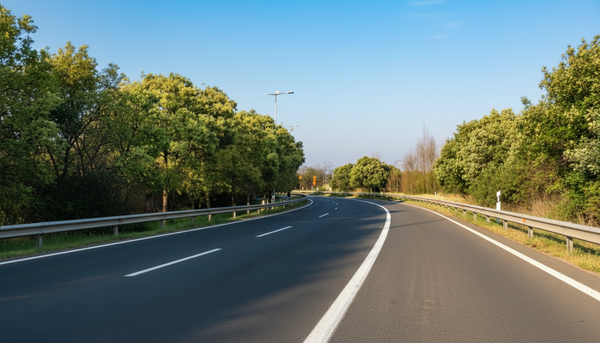
In a **dual carriageway**, it is important to know when to drive on the **hard shoulder**. The regulations indicate that vehicles experiencing a **breakdown** or an **emergency** and unable to maintain the minimum required speed (less than 60 km/h) must use the hard shoulder to avoid **hindering** the circulation of other users.
- If a vehicle has a breakdown and cannot reach the appropriate speed, it must drive on the **right hard shoulder**. This is to avoid obstructing traffic on the main road.
- In the event that the vehicle cannot continue driving, it must be parked on the hard shoulder or in a place where it causes the least possible obstruction, such as the **central reservation**.
- Additionally, if the vehicle needs assistance, it should exit the road at the first available exit, using the right hard shoulder if necessary.
These measures ensure that traffic on the dual carriageway flows safely and efficiently, minimizing the risk of accidents or congestion.
Select an answer
Keep going with more translated questions, explanations and full tests in the app.