If you are suffering from a minor illness, is it advisable to drive if you have self-medicated?
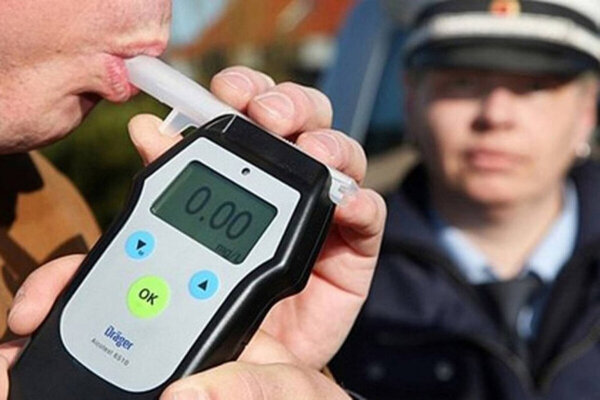
Human factor: Alcohol, drugs, and medications

Explanation
It is important not to self-medicate and always consult a doctor before driving if you have an illness, even if it is mild. Here we explain why:
- **Illnesses and medications**: Some illnesses and medications can affect your ability to drive safely. For example, they can cause drowsiness, dizziness, or lack of concentration, which is dangerous when driving.
- **Medical consultation**: You should always ask doctors if you can drive with the illness or medication you have. They will inform you about the possible risks and advise you accordingly.
- **Effects of medications**: Common medications such as painkillers, cough suppressants, and antihistamines can cause side effects like drowsiness, loss of reflexes, and mood changes, which are risky for driving.
- **General recommendations**: You should not mix medications with alcohol, and it is crucial to follow medical instructions, avoiding self-medication. Additionally, if you have a chronic illness, it is important to be well aware of its effects and how to act in case of a crisis.
In summary, self-medication can have adverse effects that compromise driving safety. Therefore, it is always better to consult a doctor to assess the risks and receive appropriate treatment.
Select an answer
Keep going with more translated questions, explanations and full tests in the app.