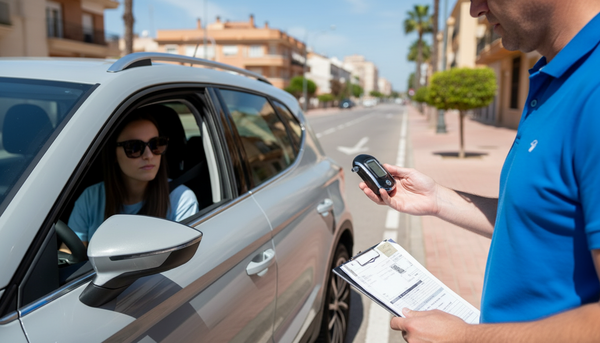
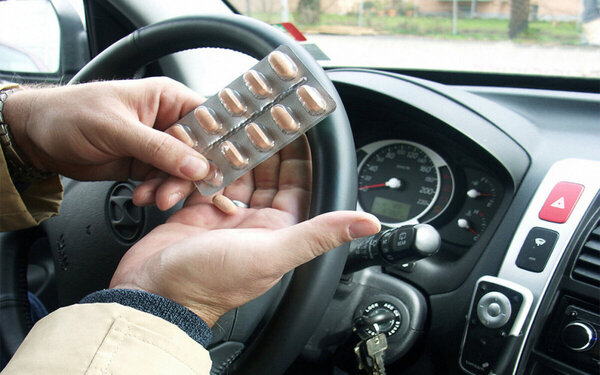
If you take the necessary precautions to ensure safety in traffic, may you drive if you have self-medicated?
Human factor: Alcohol, drugs, and medications
Explanation
When driving after self-medicating, it is crucial to be **aware of the possible effects** that medications can have on driving. Some medications, such as **analgesics, antitussives, antihistamines, and psychotropic drugs**, can cause side effects like **drowsiness, dizziness, lack of concentration, mood changes, loss of reflexes, vertigo, and blurred vision**. These effects can negatively affect the ability to drive safely.
It is important to **know well the effects of the medications** being taken and consult with a doctor or a Driver Recognition Medical Center to ensure it is safe to drive under their influence. Additionally, mixing medications with alcohol should be avoided, as this can increase the risks.
Therefore, if you decide to self-medicate, you must be aware of how these medications can affect your ability to drive and take the necessary precautions to ensure safety in traffic.
Select an answer
Keep going with more translated questions, explanations and full tests in the app.