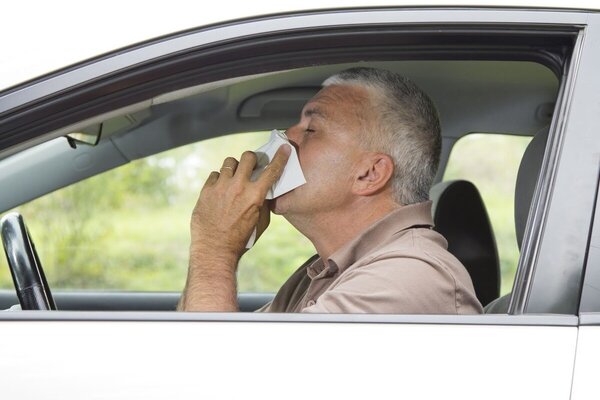
Do flu, colds, and allergies affect driving?
Human factor: Physical factors
Explanation
**Flus**, **colds**, and **allergies** can significantly affect the ability to drive safely. Although these health issues are common and their symptoms may seem familiar, it is crucial not to underestimate them.
- **Respiratory allergies**: They can cause sneezing, itchy eyes, and congestion, which can distract the driver. Additionally, medications to treat allergies, such as **antihistamines**, can cause **drowsiness**, **depression**, and **loss of reflexes**, affecting the ability to react while driving.
- **Medications**: Many common medications, such as painkillers and cough suppressants, can cause side effects like **drowsiness**, **dizziness**, and **lack of concentration**, which can be dangerous when driving.
- It is important to **consult a doctor** about the safety of driving when sick or taking medications. It is also recommended to visit a **Driver Recognition Medical Center** to assess if it is safe to drive under these conditions.
- Certain precautions should be followed, such as **not mixing alcohol with medications**, **keeping the vehicle clean**, and **avoiding driving during crises** or when feeling unwell.
In summary, although the symptoms of these illnesses may be familiar, it is essential to remember that they can affect driving and to take the necessary measures to ensure road safety.
Select an answer
Keep going with more translated questions, explanations and full tests in the app.