Does driving while experiencing symptoms of a respiratory allergy increase the risk of having an accident?
Human factor: Physical factors
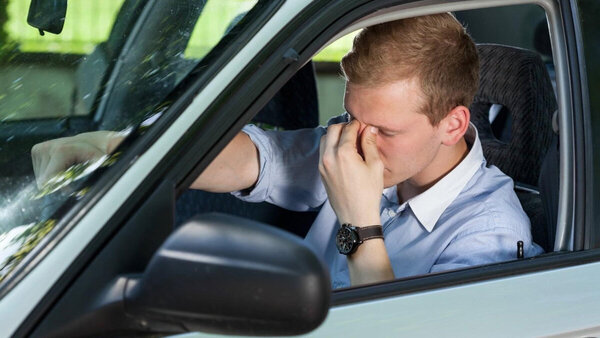
Explanation
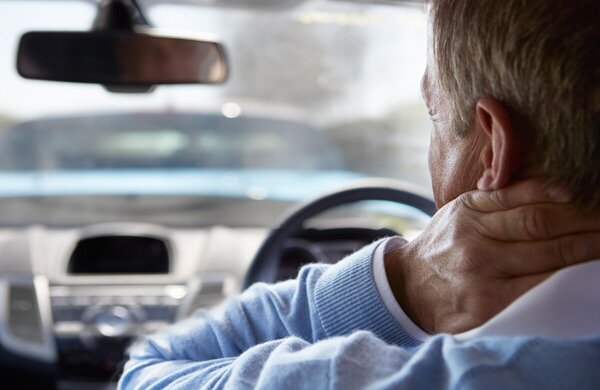
Driving under the symptoms of a **respiratory allergy** can increase the risk of having an accident because it affects the ability to drive safely. Here we explain why:
- **Allergy symptoms**: Respiratory allergies can cause sneezing, itchy eyes, and nasal congestion, which can distract the driver and make it difficult to concentrate on the road.
- **Allergy medications**: **Antihistamines**, which are used to treat allergies, can cause side effects such as **drowsiness**, **depression**, and **loss of reflexes**. These effects can decrease the driver's reaction capacity and attention.
- **Tips for drivers with allergies**: It is recommended to drive with the windows closed, use gentle air conditioning, keep the vehicle clean, and avoid driving at dawn or in humid areas. Additionally, it is important not to mix alcohol with medications and not to take medication without a prescription.
In summary, allergy symptoms and the side effects of medications can impair the ability to drive safely, thus increasing the risk of accidents.
Select an answer
Keep going with more translated questions, explanations and full tests in the app.