In general, on what type of roads do fatigue- or drowsiness-related accidents usually occur most frequently?
Human factor: Physical factors
Explanation
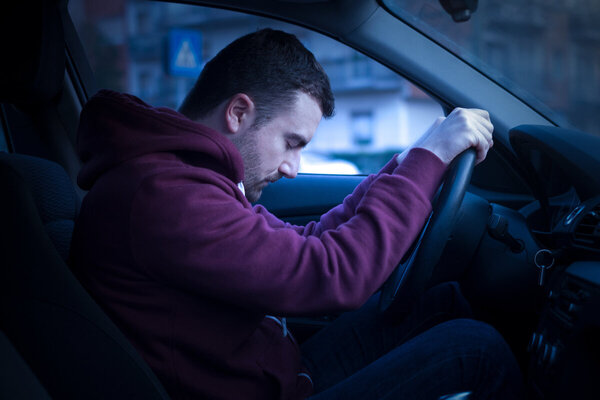
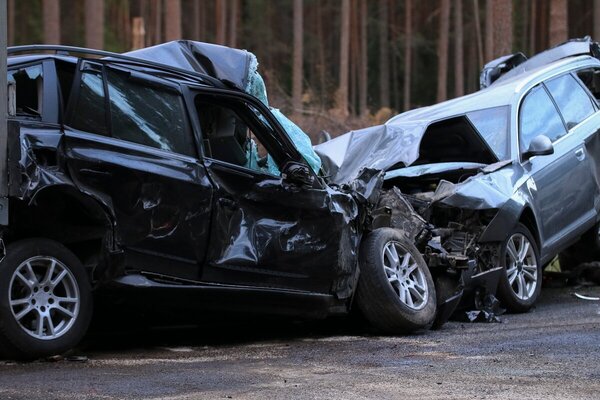
**Fatigue** and **drowsiness** are factors that significantly affect the driver's condition and can lead to traffic accidents. Fatigue can be both physical, causing tiredness, and psychological, making concentration difficult. Drowsiness, on the other hand, manifests as a feeling of tiredness, heaviness in the body, and sleepiness, and can lead to accidents even before the driver falls completely asleep.
Accidents due to **distractions**, which may be related to fatigue and drowsiness, are more frequent on **motorways and dual carriageways**. These roads are usually long and monotonous, which can increase the likelihood of a driver feeling tired or drowsy. Additionally, on these roads, drivers tend to maintain a constant speed for long periods, which can contribute to the onset of fatigue and drowsiness.
Therefore, it is important to stay alert and take regular breaks when driving on motorways and dual carriageways to reduce the risk of accidents related to fatigue and drowsiness.
Select an answer
Keep going with more translated questions, explanations and full tests in the app.