Does speed affect drivers’ reaction capacity?
Human factor: Reaction, braking, and stopping
Explanation
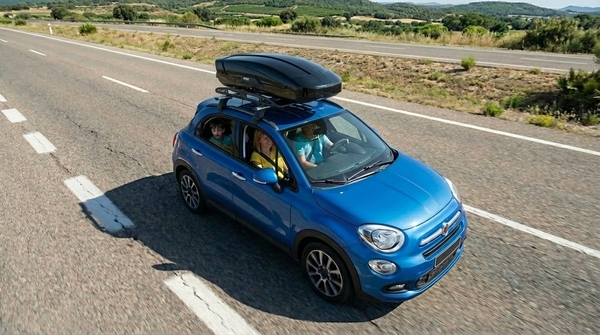
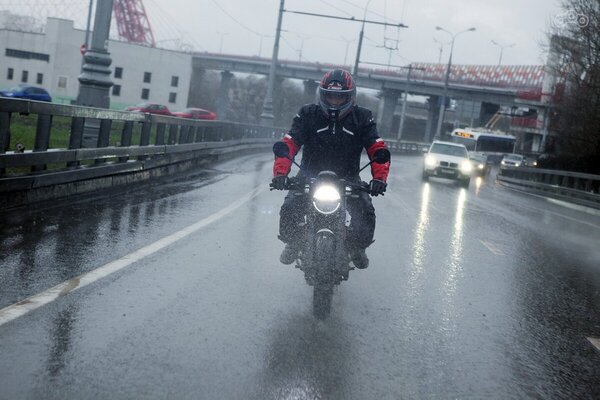
**Speed** directly influences drivers' **reaction capacity**. At higher speeds, reaction capacity decreases for several reasons:
- **Reaction distance**: When you drive faster, you cover more distance in less time. This means that, although the reaction time (the time it takes you to respond to an unexpected event) is the same, the vehicle will have moved further before you can react. Therefore, you will reach the danger more quickly.
- **Difficulty in reacting**: Driving at high speed makes it more difficult to respond to unexpected situations. This can lead to serious mistakes that put people's lives at risk.
- **Tunnel vision**: At high speeds, the ability to see what is happening on the sides is reduced, which is known as "tunnel vision." You can only see what is directly in front of you, limiting your ability to detect lateral hazards.
In summary, driving at higher speeds reduces reaction capacity because the vehicle covers more distance before you can respond, it is more difficult to react to unforeseen events, and peripheral vision is limited.
Select an answer
Keep going with more translated questions, explanations and full tests in the app.