On which factors does the stopping distance depend?
Human factor: Reaction, braking, and stopping
Explanation
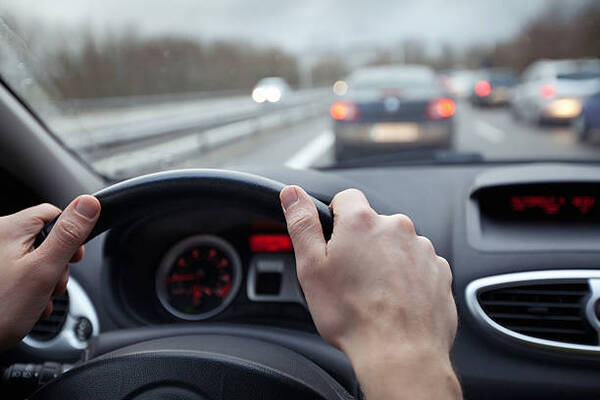
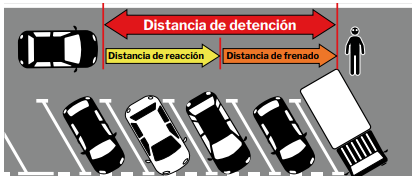
The **stopping distance** is the space a vehicle travels from the moment the driver detects an obstacle until the vehicle comes to a complete stop. This distance is composed of two parts: the **reaction distance** and the **braking distance**.
- The **reaction distance** is the time it takes for the driver to react to the obstacle and begin braking.
- The **braking distance** is the space the vehicle travels from the moment the brake is applied until it comes to a complete stop.
The stopping distance depends on several factors:
1. **Driver's condition**: The characteristics of the driver, such as age and physical or psychological state, affect their reaction time and, therefore, the stopping distance.
2. **Road condition**: The conditions of the road, such as whether it is wet or dry, influence the braking distance. A wet surface can increase the distance needed to stop the vehicle.
3. **Vehicle condition**: The technical conditions of the vehicle, such as the state of the brakes and tires, also affect the braking distance. A vehicle in good technical condition will stop more quickly.
Therefore, the stopping distance depends on the **driver's condition, the road, and the vehicle**, which makes the correct answer option 1.
Select an answer
Keep going with more translated questions, explanations and full tests in the app.