The reaction distance is the distance the vehicle travels...
Human factor: Reaction, braking, and stopping

Explanation
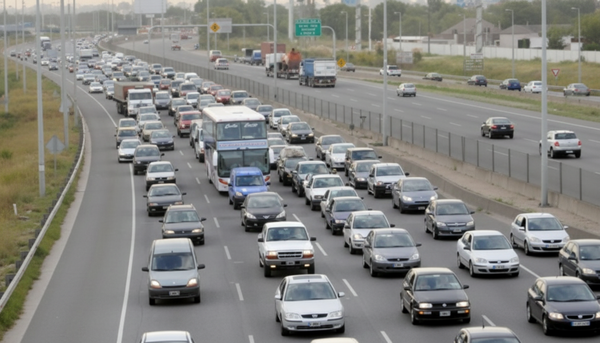
The **reaction distance** is the space a vehicle travels from the moment the driver **perceives a danger** until they **react** to it, for example, by pressing the brake. This means it begins when the driver detects an unexpected event, such as an obstacle or a signal, and ends when they take action to respond to that situation.
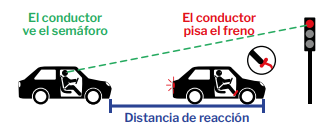
The average reaction time of a person is approximately **0.75 seconds**, although it can vary depending on the driver's reflexes, physical and psychological state, and the environment. It is important to note that the faster a vehicle goes, the shorter the reaction time will be, but it will cover more distance in that time, which can increase the risk of not stopping in time in the face of danger.
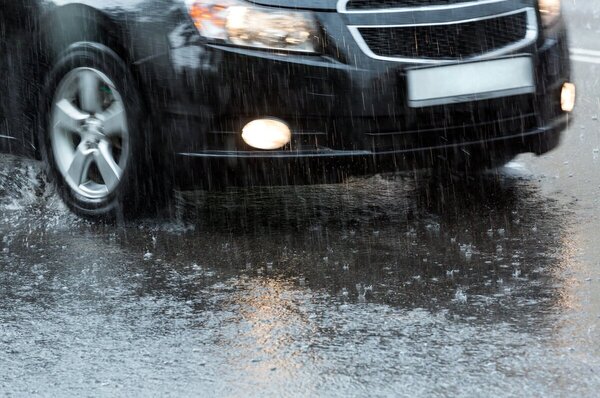
On the other hand, the **stopping distance** is different, as it includes both the reaction distance and the **braking distance**. The latter is the space the vehicle travels from the moment the driver presses the brake until the vehicle comes to a complete stop. Therefore, the stopping distance is longer than the reaction distance.
In summary, the **reaction distance** refers only to the time and space elapsed from perceiving a danger until taking an action, such as braking, and does not include the time needed to bring the vehicle to a complete stop.
Select an answer
Keep going with more translated questions, explanations and full tests in the app.