On which type of road surface will tire grip be more difficult?
Mechanics (different vehicle systems)

Explanation
To understand why **cobblestone pavement** offers less grip for tires, it is important to consider how tires interact with different surfaces.
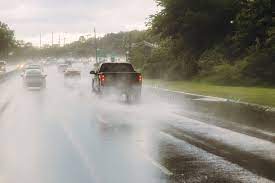
- **Grip and surfaces**: The grip of a tire depends on its ability to hold onto the road surface. Tires are designed with grooves that help improve grip and remove water in rainy conditions. However, the effectiveness of these grooves can vary depending on the type of pavement.
- **Cobblestone pavement**: This type of pavement has a more irregular and slippery surface compared to other types of pavement. The irregularity of the cobblestones can make it difficult for tires to maintain constant and uniform contact with the surface, which reduces grip.
- **Comparison with other pavements**:
- **Flexible pavement like asphalt**: This type of pavement is smoother and more uniform, allowing tires to grip the road better. The grooves in the tires can work more effectively on these surfaces, improving grip.
- **Rough pavements like concrete**: Although they are rough, these pavements offer good grip because the texture helps tires hold better.
In summary, **cobblestone pavement** is less grippy due to its irregular surface, which makes it difficult for tires to maintain a good grip, especially in wet or rainy conditions.
Select an answer
Keep going with more translated questions, explanations and full tests in the app.