Is overtaking considered a dangerous and complex maneuver?
Overtaking
Explanation
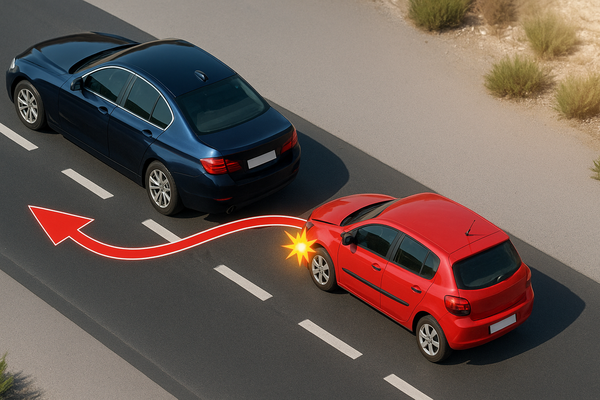
Overtaking is considered a **dangerous and complex maneuver** for several reasons:
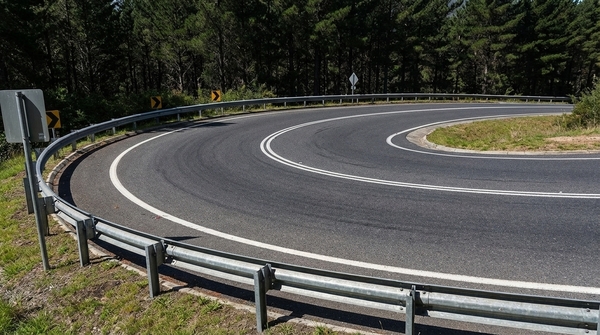
- **Limited visibility**: Overtaking in situations where visibility is reduced, such as on sharp curves, hill crests, or adverse weather conditions (fog, heavy rain, sun glare), increases the risk of accidents.
- **Space and distance**: It is crucial to maintain a minimum distance of **one and a half meters** when overtaking cyclists or mopeds, and to change lanes to avoid collisions. Failing to respect this distance can endanger the most vulnerable road users.
- **Road conditions**: The maneuver should only be performed when road conditions allow, and always ensuring there are no oncoming vehicles. If a vehicle suddenly accelerates or another appears in the opposite direction, the overtaking should be aborted.
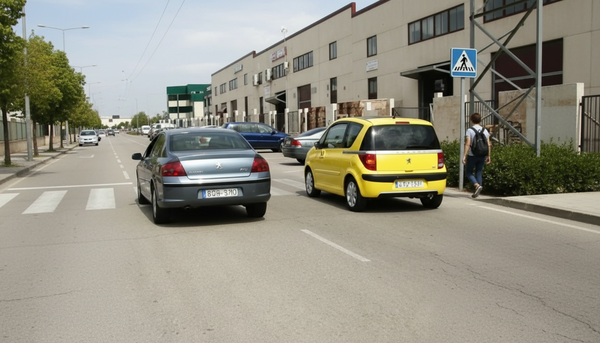
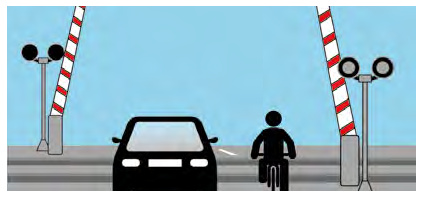
- **Specific rules**: There are many situations where overtaking is prohibited, such as at pedestrian crossings, intersections, and level crossings, unless certain specific conditions are met.
- **Signaling and returning to the lane**: After overtaking, it is necessary to signal correctly and return to the original lane without affecting other drivers.
These considerations show that overtaking requires attention and caution, making it a complex and potentially dangerous maneuver.
Select an answer
Keep going with more translated questions, explanations and full tests in the app.