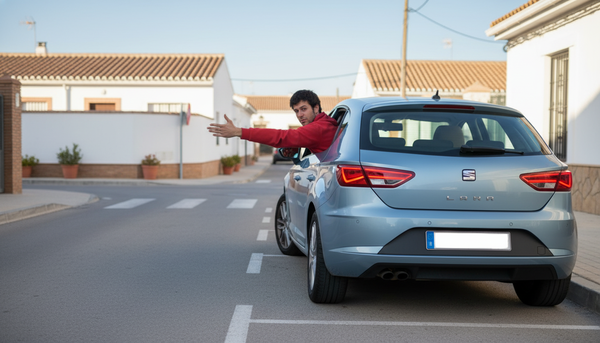
How must you drive in reverse if you are required to do so?
Reversing

Explanation
To drive in reverse, it is important to follow certain rules to ensure safety. Here we explain why it is crucial to cover only the **essential meters**:
- **General prohibition**: Driving in reverse is generally prohibited on any road or path. It is only allowed in specific situations, such as when parking or when it is not possible to move forward or change direction, for example, on a street blocked by construction.
- **Distance limitations**: Even in permitted cases, you should not drive in reverse more than **15 meters**. This limits the distance to what is strictly necessary to perform the maneuver safely.
- **Safety precautions**: Before starting to reverse, it is essential to ensure that there is no danger to other drivers or pedestrians. If any risk situation arises, such as the approach of another vehicle or a warning signal, you must stop immediately.
- **Reduced speed**: When reversing, you must drive at a very low speed to maintain control of the vehicle and react to any unforeseen events.
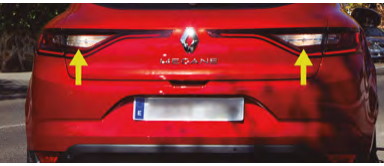
- **Use of lights**: It is important to turn on the **reverse light** to warn other road users that the vehicle will move in that direction. This light is mandatory for most cars and activates automatically when starting to reverse.
By following these guidelines, the risks associated with reversing are minimized, ensuring that it is done safely and efficiently.
Select an answer
Keep going with more translated questions, explanations and full tests in the app.