What do signs at controlled intersections usually regulate?
Right of way
Explanation
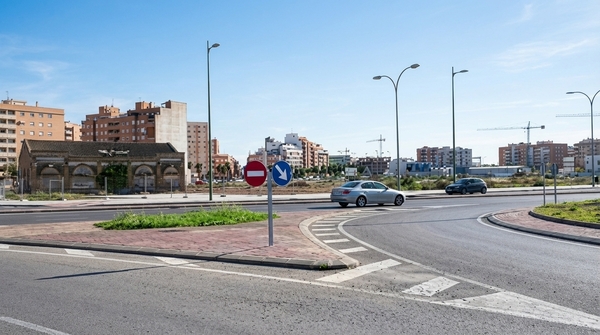
In **signaled intersections**, the main function of the signals is to regulate the **right of way**. This means they indicate which vehicle has the right to proceed first at the crossing.
- Regulatory signs, such as those found at intersections, inform drivers about their **obligations and limitations** on the road. These signs are crucial for determining who must yield and who can continue, thus ensuring an orderly and safe flow of traffic.
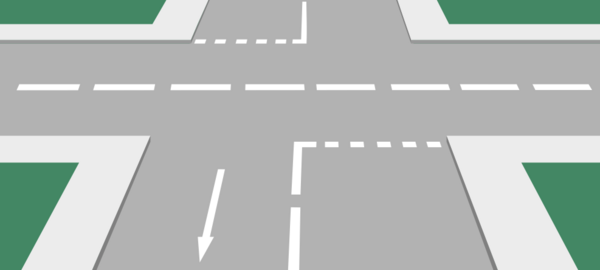
- At an intersection with signals, it is important to follow the signal's instructions to avoid conflicts and accidents. If there are no lines clearly indicating the entrance to the intersection, you should wait and yield from a place where you have good visibility of the intersection and approaching vehicles.
- Additionally, **traffic lights** at intersections also play a role in regulating the right of way. For example, a green light allows you to proceed, while a red light indicates you must stop and yield to other vehicles.
Therefore, in signaled intersections, the signals are primarily designed to manage the **right of way**, ensuring that traffic flows safely and efficiently.
Select an answer
Keep going with more translated questions, explanations and full tests in the app.