At an intersection, where must a vehicle that encounters a stop sign stop if there is no stop line?
Signage: General rules
Explanation
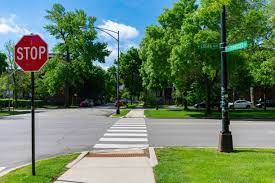
When a vehicle encounters a **stop sign** at an intersection and there is no stop line marked on the ground, it is important to know where to stop correctly to ensure road safety.
- The **stop sign** indicates that the driver must come to a complete stop to yield the right of way to other vehicles traveling on the road they wish to enter. This is crucial to avoid accidents and ensure a safe flow of traffic.
- In the absence of a stop line, the vehicle must stop **immediately before the intersection**. This means the driver should stop just before entering the intersection, ensuring they have a clear view of the traffic on the crossroad and can yield the right of way properly.
- Stopping at this point allows the driver to assess the traffic situation and proceed only when it is safe to do so, fulfilling the obligation to yield the right of way to other vehicles.
Therefore, the correct answer is to stop **immediately before the intersection** when there is no visible stop line.
Select an answer
Keep going with more translated questions, explanations and full tests in the app.