Except in special circumstances, every road user is required to obey traffic signals...
Signage: General rules
Explanation
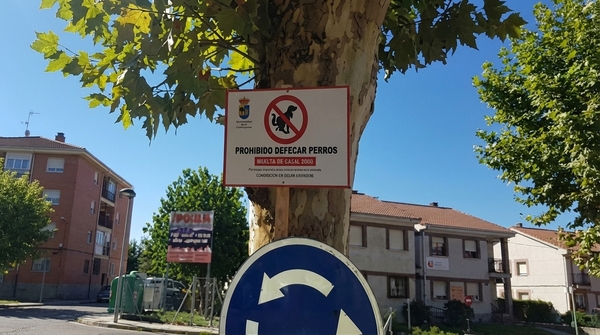
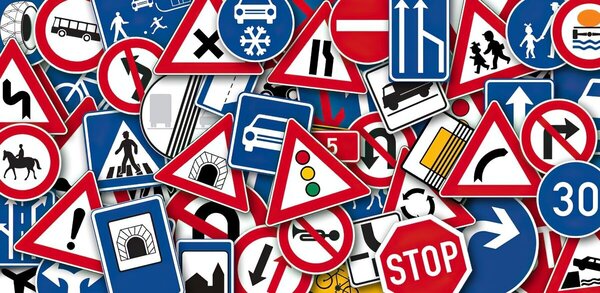
All road users, both drivers and pedestrians, must **obey traffic signals**. This is mandatory even if the signals seem to contradict general traffic rules. Signals take precedence because they are designed to **manage specific situations** on the road that may not be covered by general rules.
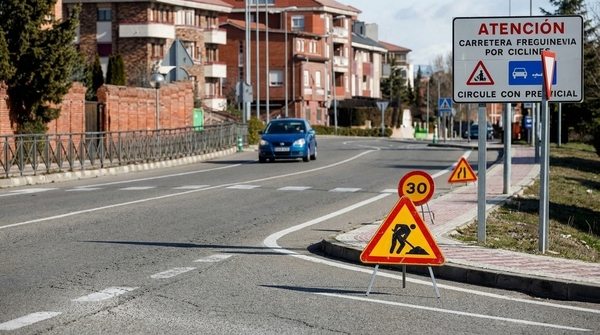
- **Priority of signals:** The signals and orders from traffic officers are the most important and must be obeyed first. Then, temporary signals indicating changes on the road, such as roadworks or detours, also take priority. After that, traffic lights should be followed, and finally, vertical traffic signs.

- **Intersections with signals:** At intersections, signals indicate how to proceed. If there are no road markings, you must yield from a place where you have good visibility. This ensures that traffic flows safely and orderly.
- **Avoiding obstructions:** You should never enter an intersection or pedestrian crossing if there is a risk of getting stuck and obstructing the passage. This is crucial to maintain traffic flow and the safety of all road users.
In summary, traffic signals are essential for safety and order on the road and must be obeyed even if they seem to contradict general rules.
Select an answer
Keep going with more translated questions, explanations and full tests in the app.