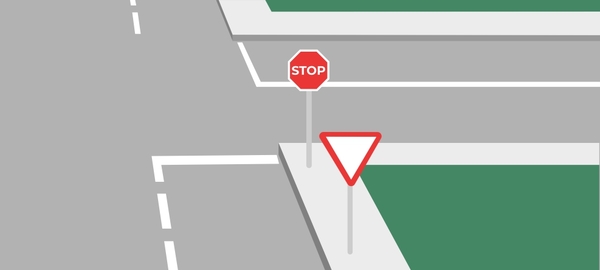
If two road signs contradict each other, which one has priority?
Signage: General rules
Explanation
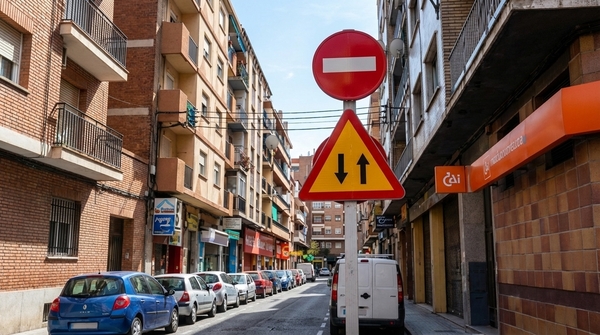
When you encounter **contradictory traffic signs**, it's important to know which one you should obey. The general rule is that you must follow the **most restrictive sign**. This means that if one sign tells you to stop or yield, and another allows you to continue, you must obey the one that imposes more restrictions on your movement.
- For example, if there is a **Stop sign** next to a **yield sign**, you must obey the Stop sign, as it is more restrictive.

- In the case of a **green traffic light** and a **no left turn sign**, you must follow both indications: you can proceed, but not turn left.
The priority of the signs is based on the need to **ensure safety** and the **proper flow of traffic**. Therefore, priority should always be given to the sign that imposes more restrictions, as its purpose is to prevent dangerous or confusing situations on the road.
Select an answer
Keep going with more translated questions, explanations and full tests in the app.