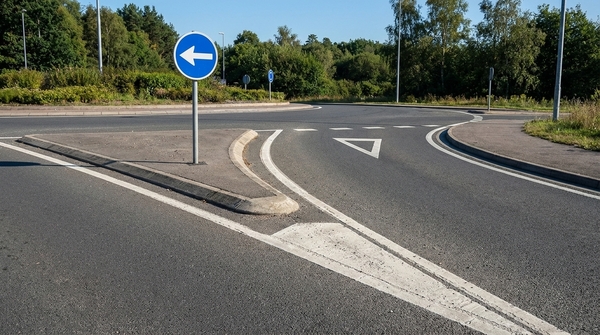
When a vertical sign contradicts a fixed beaconing (delineation) sign, which sign takes precedence?
Signage: General rules
Explanation
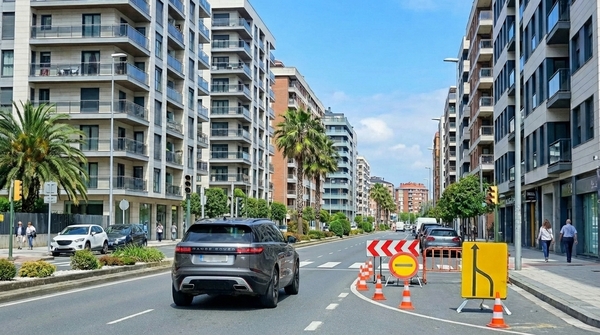
When you encounter a **vertical sign** and a **fixed beaconing sign** that contradict each other, you must obey the fixed beaconing sign.
- **Beaconing signs**: These signs are lights, panels, and devices that highlight works or temporary situations on the road. They indicate the direction you must follow and the obstacles you may encounter. For example, a **provisional directional panel** prohibits passage and informs you where you should drive. These signs are crucial for guiding traffic in changing or dangerous situations.

- **Vertical signs**: These are fixed plates that warn of dangers, impose obligations, prohibit, or inform. Although they are important, in situations where there is a contradiction with beaconing signs, beaconing signs take precedence due to their function of managing temporary or emergency situations.
Therefore, in case of contradiction, always follow the indications of the fixed beaconing signs to ensure safety and the proper flow of traffic.
Select an answer
Keep going with more translated questions, explanations and full tests in the app.