When there are two traffic signs on a road that apparently contradict each other, which one has priority?
Signage: General rules
Explanation
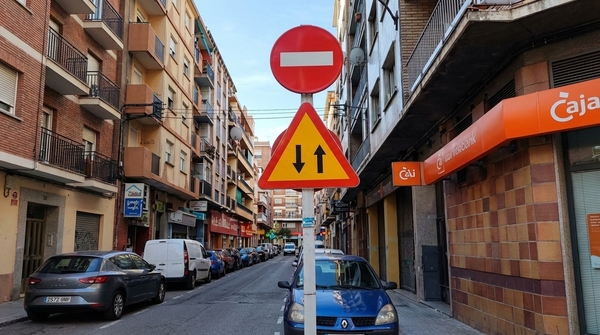
When you encounter **contradictory traffic signs**, it's important to know which one you should obey. The general rule is that you must follow the **most restrictive sign**. This means that, between two signs that seem to give opposing instructions, the one that imposes more limitations or restrictions takes priority.
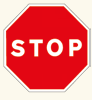
For example, if you see a **Stop sign** next to a **yield sign**, you must obey the Stop sign, as it is more restrictive. The Stop sign requires you to completely stop the vehicle and yield to vehicles already traveling on the road you wish to enter.
In situations where there is a **green traffic light** and a **no left turn sign**, you must obey both signs. This means you can continue straight or turn right, but not turn left, as the no left turn sign is more restrictive in that situation.
In summary, you should always pay attention to the most restrictive signs to ensure safe and orderly traffic flow.
Select an answer
Keep going with more translated questions, explanations and full tests in the app.