What type of road marking is a pedestrian crossing?
Signage: Road markings

Explanation
**Road markings** are signals painted on the roadway that guide and regulate traffic. There are different types of road markings, and it is important to know them to understand their function.
- **Transverse road marking**: This type of marking is placed perpendicular to the direction of traffic. A clear example of a transverse road marking is the **pedestrian crossing**. These are the wide lines painted on the roadway to indicate to drivers that they must stop and yield to pedestrians.

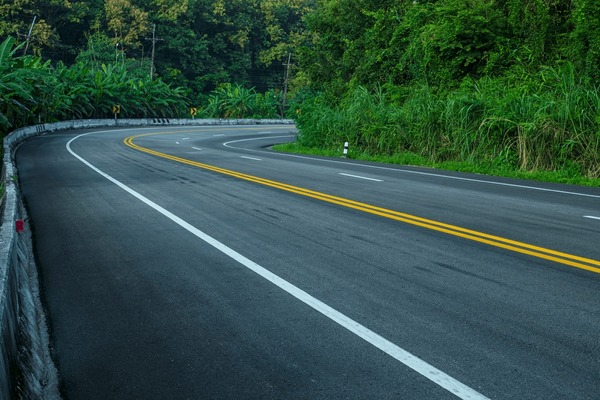
- **Longitudinal road marking**: These markings are placed in the same direction as the traffic and usually divide lanes or indicate the edge of the roadway. They are not applicable to pedestrian crossings.
- **Horizontal road marking**: This term is more general and refers to any marking painted on the road surface, without specifying its orientation.
Therefore, the **pedestrian crossing** is a **transverse road marking** because it is painted perpendicular to the flow of traffic, indicating to drivers that they must stop to allow pedestrians to cross safely.
Select an answer
Keep going with more translated questions, explanations and full tests in the app.