In which cases is it recommended to apply a tourniquet to an injured person?
Traffic accidents
Explanation
The **tourniquet** is a first aid technique used in specific situations of **bleeding** in arms and legs. It is important to know when it is appropriate to apply it:
- **When to use a tourniquet**: It is recommended to perform a tourniquet only when the **bleeding is profuse** and has not been stopped by other methods such as direct compression or arterial compression. This is because the tourniquet is an extreme measure that can have serious consequences if used incorrectly.
- **Methods prior to the tourniquet**:
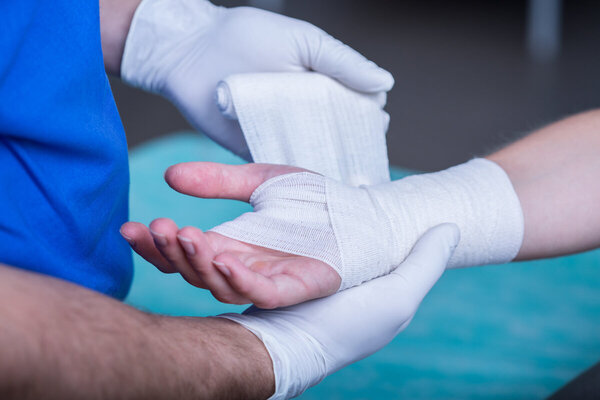
- **Direct compression**: This involves pressing directly on the wound with a clean gauze or handkerchief. It is the first step to try to stop bleeding.
- **Arterial compression**: Pressure is applied to the main artery of the affected arm or leg to stop blood flow. It is used when direct compression is not sufficient.
- **How to perform a tourniquet**:
- It should be done with a folded handkerchief, avoiding very thin objects.
- Place it above the wound, never below.
- It is crucial to note the time and place where the tourniquet was applied, as only medical personnel should remove it.
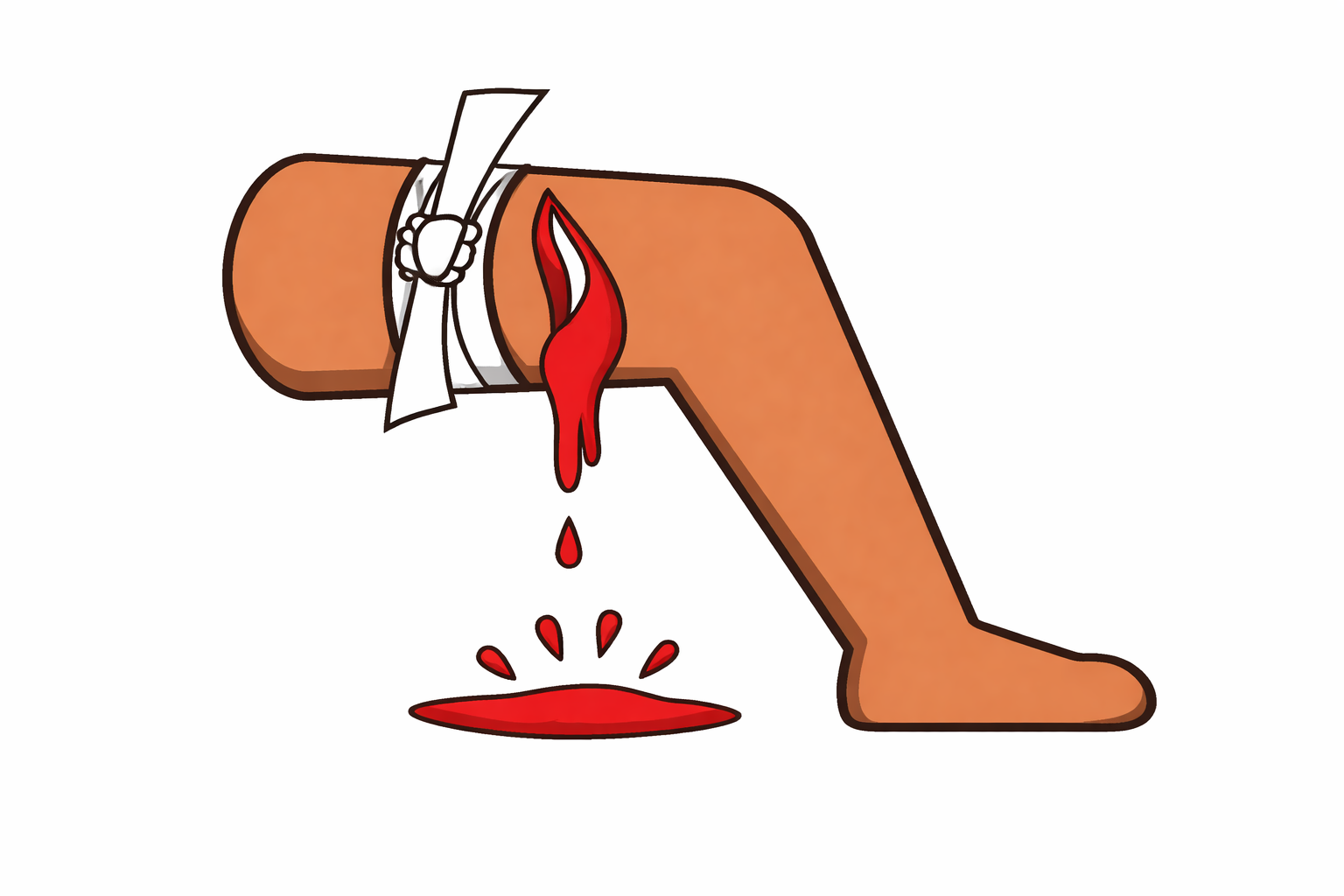
In summary, the tourniquet is a last resort measure for profuse bleeding when other methods have failed. It should not be used for minor bleeding or without first attempting direct and arterial compression.
Select an answer
Keep going with more translated questions, explanations and full tests in the app.