Which part of the body must we immobilize if we ourselves are transporting an injured person?
Traffic accidents
Explanation
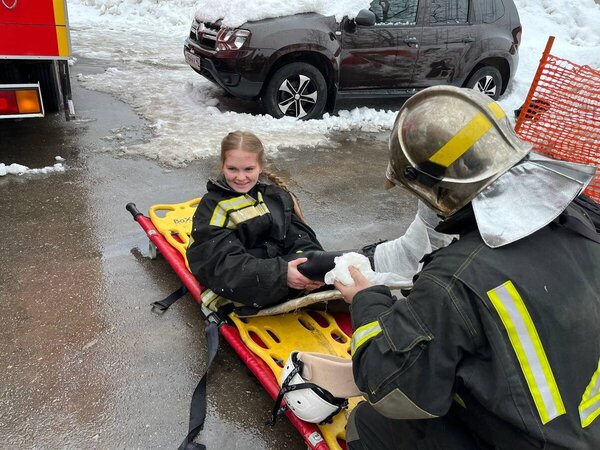
In the event of needing to move an injured person in a traffic accident, it is crucial to **immobilize the head-trunk axis**. This means keeping the **head, neck, and trunk** of the injured person aligned, as if they were a single block. This alignment is essential to avoid additional injuries, especially to the spine, which could occur if these parts move independently.
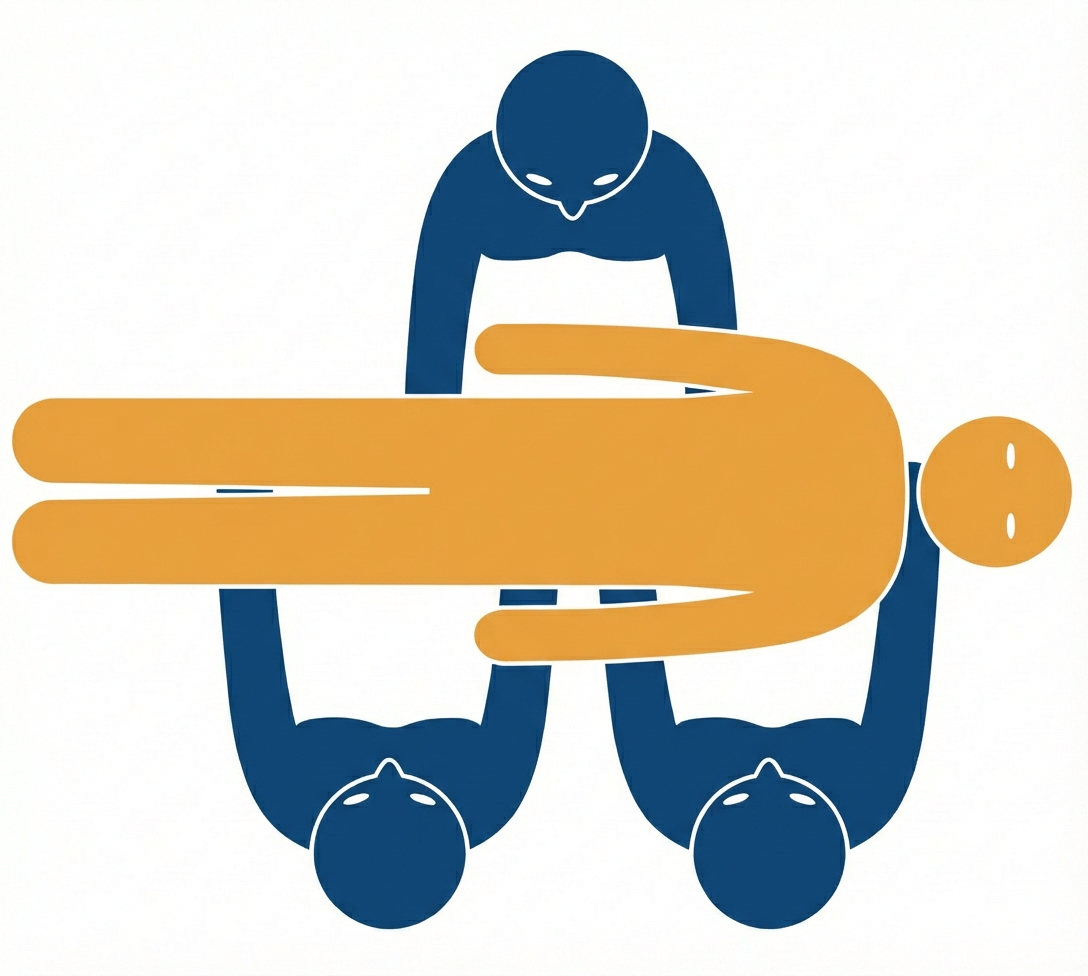
- **Move the injured person as a block**: When transporting an injured person, it is important that at least three people do so in a coordinated manner to ensure that the head, neck, and trunk remain in the same line. This helps prevent further damage in case of spinal injuries.
- **Steps to move the injured person**: When removing an injured person from a vehicle, specific steps must be followed to ensure that the head-trunk axis remains aligned. This includes passing the arms under their armpits, holding the chin, and moving the injured person slowly.
In summary, when transporting an injured person, the priority is to keep the head-trunk axis immobilized to avoid additional complications.
Select an answer
Keep going with more translated questions, explanations and full tests in the app.