If in an accident you are wearing the seat belt too loosely...
Traffic safety: Transported persons and cargo
Explanation
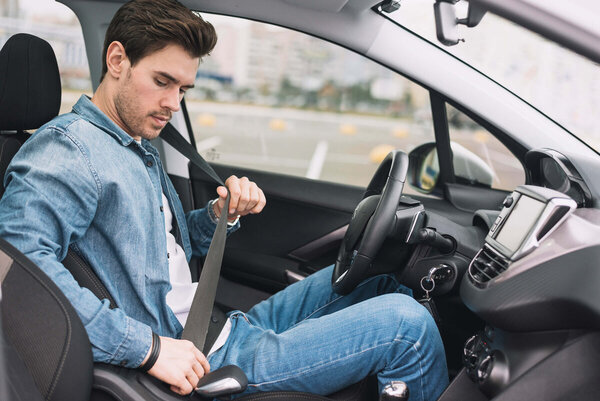
The **seat belt** is a crucial element for the protection of vehicle occupants in the event of an accident. Its main function is to keep people in their seats and prevent them from being ejected from the vehicle. For the seat belt to be effective, it must be properly adjusted to the body.
- **Proper adjustment**: The belt should neither be too loose nor too tight. If it is too loose, the body can travel a greater distance in the event of an impact, increasing the risk of hitting the steering wheel or other parts of the vehicle. This is because the belt does not effectively stop the body's movement if it is not well adjusted.
- **Correct placement**: The shoulder strap should pass over the collarbone and the center of the chest, while the lap belt should be over the hip bones. Incorrect placement can reduce the belt's effectiveness and increase the risk of injury.
- **Submarining effect**: This phenomenon occurs when the body slides under the belt during an accident, usually due to a poorly adjusted belt or a seat reclined too far back. To avoid it, it is essential that the belt is well adjusted and that the seat is not too reclined.
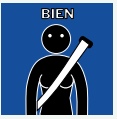
In summary, wearing the seat belt properly adjusted is vital to minimize the risk of serious injuries in an accident, as it prevents the body from moving excessively and hitting the steering wheel or other parts of the vehicle.
Select an answer
Keep going with more translated questions, explanations and full tests in the app.