In general, dual carriageways and motorways are...
Highways and motorways
Explanation
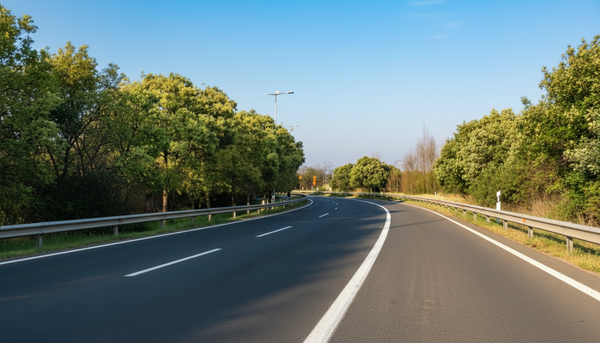
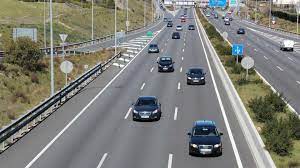
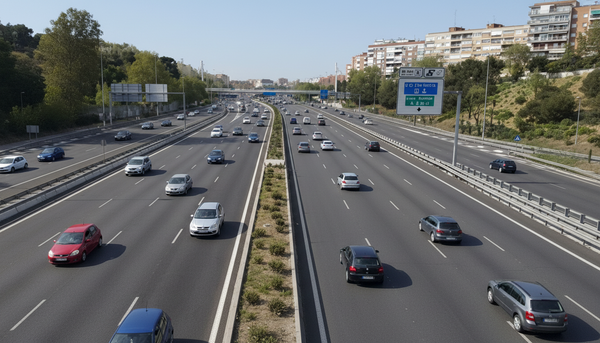
**Motorways** and **dual carriageways** are safer than conventional roads for several reasons:
- **Controlled access**: On motorways, entry and exit are only possible through prepared and authorized accesses, which reduces the risk of accidents by avoiding unexpected entries and exits from adjacent lands. Dual carriageways also have controlled access, although they allow some entries from nearby properties.
- **Separation of carriageways**: Both motorways and dual carriageways have separate carriageways for each direction of travel, which decreases the possibility of head-on collisions.
- **Traffic restrictions**: Pedestrians, animals, bicycles, mopeds, and personal mobility vehicles are not allowed on these roads, which reduces the risk of accidents with these more vulnerable users.
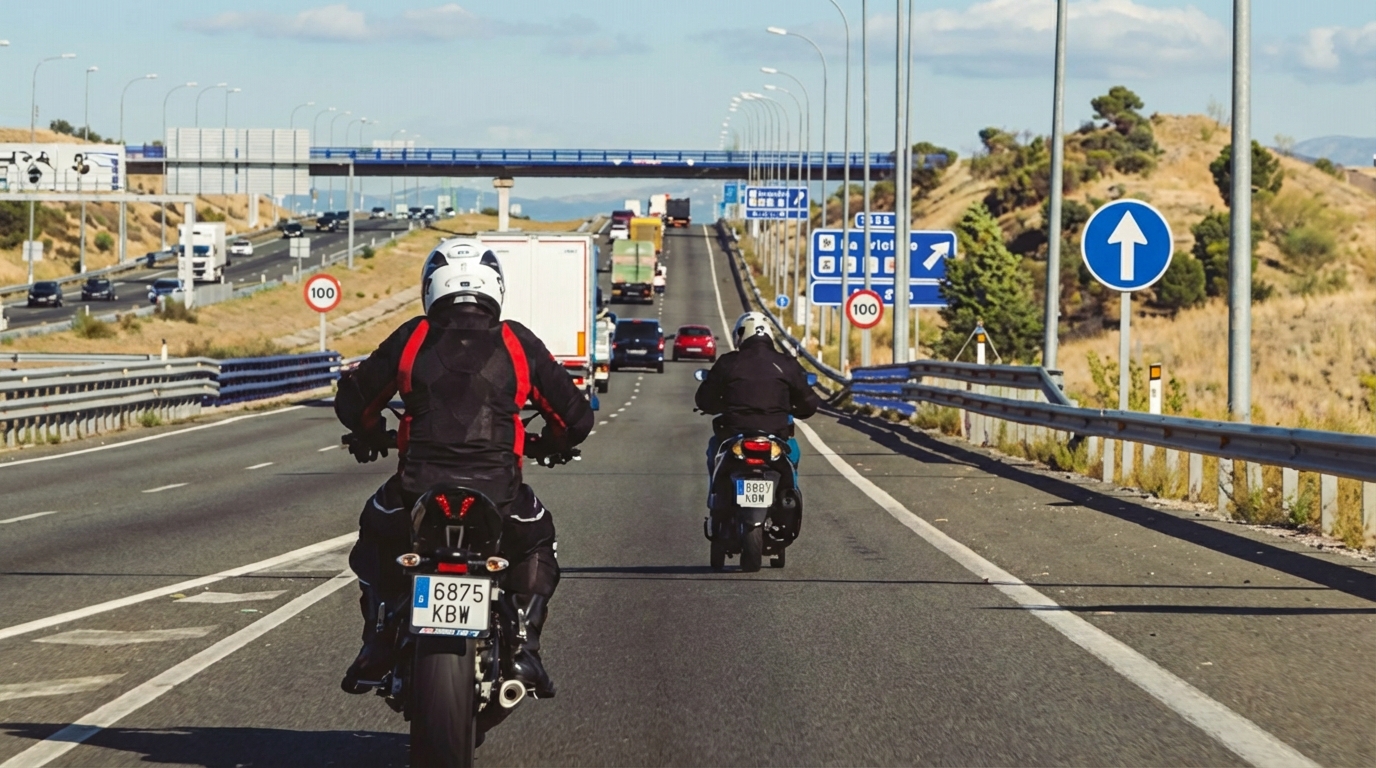
- **Absence of level crossings**: There are no crossings with train tracks, trams, or other roads, which eliminates the risk of accidents at intersections.
These characteristics make motorways and dual carriageways safer compared to conventional roads, where accesses are not as controlled and there may be level crossings and circulation of more vulnerable users.
Select an answer
Keep going with more translated questions, explanations and full tests in the app.