Under poor lighting conditions, the vehicle lighting...
Lighting
Explanation
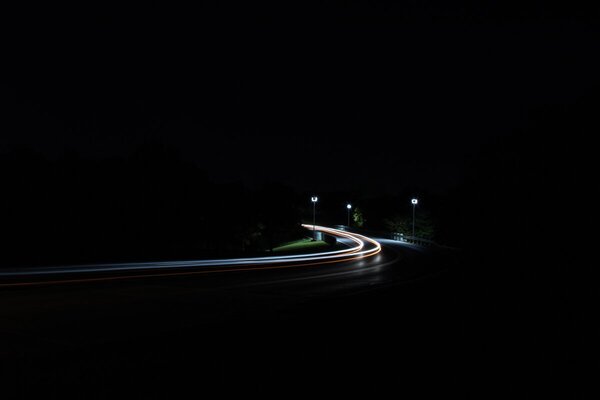
The **vehicle lighting** is essential to detect potential hazards with enough time to react, especially under **unfavorable lighting conditions** such as at night or on dark days.
- The lights should be on not only at night but also during the day in low visibility situations, such as in tunnels or reversible lanes. This ensures that you can see and be seen by other drivers, reducing the risk of accidents.
- In low lighting conditions, such as when you cannot read a vehicle's license plate at 10 meters or see a dark car at 50 meters, the vehicle's lights are crucial for maintaining safety.
- Additionally, it is important to properly adjust the lights to avoid dazzling other drivers, which could cause accidents. For example, on curves, the vehicle on the inside should use dipped headlights to avoid dazzling the oncoming driver.
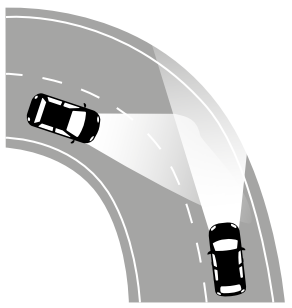
In summary, the proper use of lighting allows for anticipating hazards and reacting in time, ensuring safer driving.
Select an answer
Keep going with more translated questions, explanations and full tests in the app.