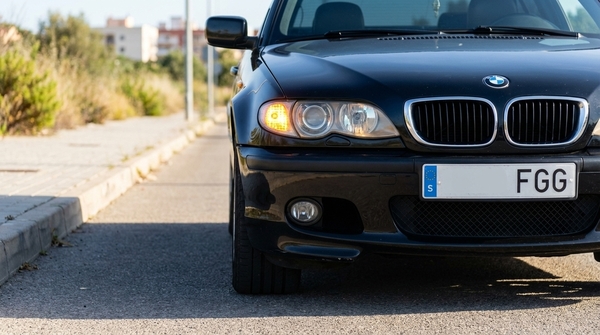
What lights must a vehicle have switched on when driving in a lane with normal direction of travel, when the adjacent lane is open for traffic in the opposite direction to the usual one?
Lighting
Explanation
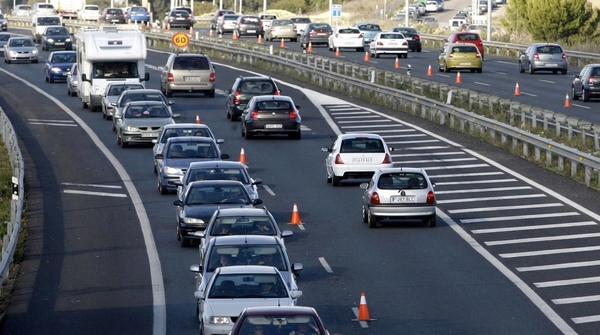
To ensure **safety** while driving, it is important to know when to use the appropriate lights in different situations. In the case of a **normal direction lane** where the adjacent lane is enabled for opposite direction traffic, it is essential to use **low beam or dipped headlights**.
- **Low beam or dipped headlights**: These lights are necessary in situations where visibility may be reduced or when there is a risk of dazzling other drivers. In a lane where the direction of traffic has been modified, such as in the case of an additional or reversible lane, it is crucial to have the dipped headlights on to ensure that other drivers can see you clearly and avoid accidents.
- **Low light conditions**: Even during the day, if the light conditions are insufficient, such as on a dark day or when passing through a tunnel, it is mandatory to turn on the dipped headlights. This also applies when driving in a lane that has temporarily changed direction.
- **Road safety**: Using dipped headlights in these situations helps improve visibility and reduce the risk of dazzling other drivers, especially on roads with temporary changes in the direction of traffic.
Therefore, whenever you are driving in a normal direction lane with the adjacent one enabled in the opposite direction, you must turn on at least the low beam or dipped headlights to ensure safe driving.
Select an answer
Keep going with more translated questions, explanations and full tests in the app.