What type of energy is lost when a vehicle is braking?
Mechanics (different vehicle systems)
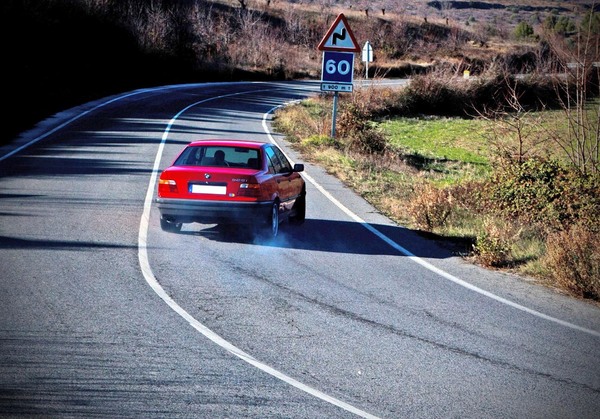
Explanation
During the **braking of a vehicle**, **kinetic energy** is lost. This is the energy an object has due to its motion. When a vehicle is in motion, it possesses kinetic energy, and when braking, this energy is transformed into heat due to the friction between the pads or shoes and other elements of the wheels. This process is what allows the vehicle to reduce its speed or come to a complete stop.
- **Braking system**: When the brake pedal is pressed, a force is applied to the wheels through the brake fluid, causing the pads or shoes to rub against the wheels, stopping them. This friction converts kinetic energy into heat, dissipating it and allowing the vehicle to stop.
- **Braking distance**: The distance a vehicle travels from the time the brake is applied until it stops depends on several factors, such as speed, vehicle load, technical conditions of the vehicle, weather, road conditions, and driver characteristics. All these factors influence the amount of kinetic energy that must be transformed to stop the vehicle.
- **Active safety elements**: Brakes are a crucial component for the active safety of the vehicle, as their main function is to reduce the vehicle's speed until it comes to a complete stop. Although brakes are usually reliable, their failure can lead to serious accidents, highlighting the importance of their proper maintenance.
In summary, during braking, the vehicle's kinetic energy is transformed into heat, allowing the vehicle to stop safely.
Select an answer
Keep going with more translated questions, explanations and full tests in the app.