What is the field of vision usually like at intersections?
Preventive and Efficient Driving – Observation and Fuel Saving
Explanation
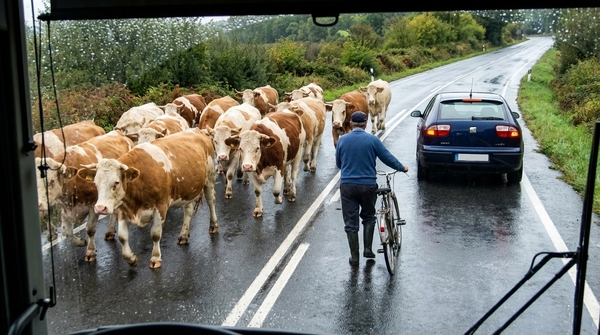
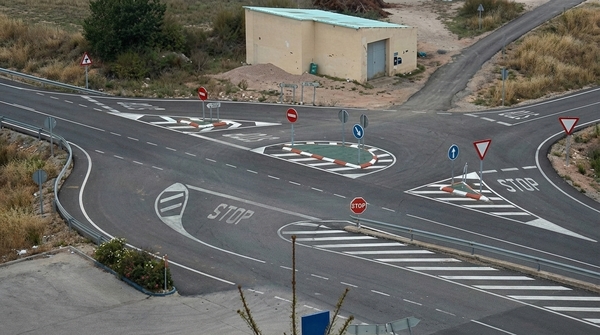
At **intersections**, the **field of vision** is often **reduced**. This is due to several factors:
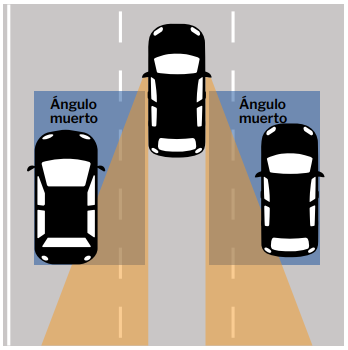
- **Blind spots**: There are always areas on the sides of the vehicle that cannot be seen, even with well-adjusted rearview mirrors. These blind spots are especially relevant at intersections, where it is crucial to be aware of what is happening on both sides.
- **Visual obstructions**: At crossings, there may be signs, buildings, or other vehicles that block the view, limiting the ability to clearly see the traffic approaching from different directions.
- **Precautions at crossings**: It is important to wait and yield from a place where you have the best possible visibility of the crossing and the approaching vehicles. This reinforces the idea that visibility is limited and one must act with caution.
For these reasons, the field of vision at intersections is reduced, requiring drivers to be especially careful and attentive.
Select an answer
Keep going with more translated questions, explanations and full tests in the app.