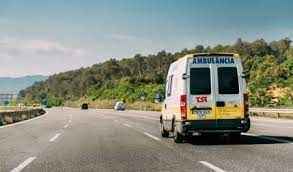
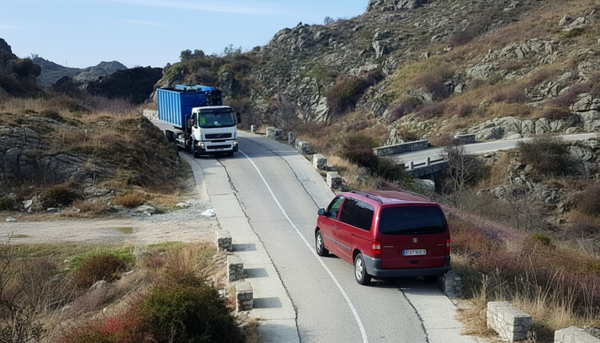
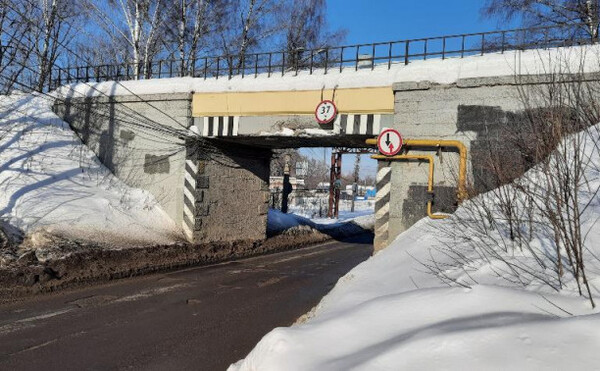
On an unmarked narrowing where simultaneous passing is not possible, two vehicles meet. As a general rule, who should go first if the section is flat?
Right of way
Explanation
In an **unmarked narrowing** where simultaneous crossing of two vehicles is not possible, the general rule indicates that the **vehicle that entered first** into the narrowing has the right of way. This is because, in the absence of signs, the order of arrival is prioritized to avoid confusion and facilitate traffic flow.
- If there are doubts about which vehicle entered first, then preference is given to those vehicles that have **more difficulty maneuvering**. However, on a flat section without signs, the main rule remains that the vehicle already inside the narrowing has the right of way.
This rule helps maintain order and safety in situations where there are no clear indications about who should yield.
Select an answer
Keep going with more translated questions, explanations and full tests in the app.