The speed limits established for a road depend on what?
Speed
Explanation
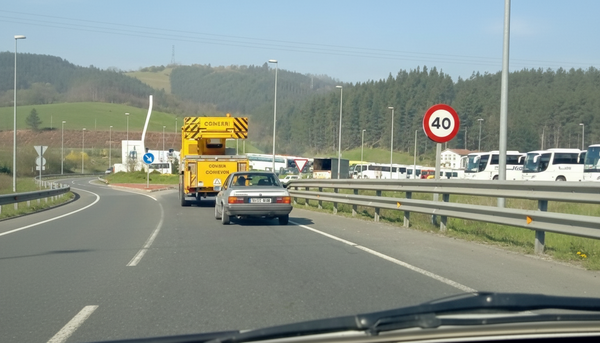
The **speed limits** on a road mainly depend on its **layout** and the **traffic** present. This is because:
- Speed limits are set to ensure the **safety** of all road users. Factors such as the type of road and its conditions are considered to determine the maximum safe speed.
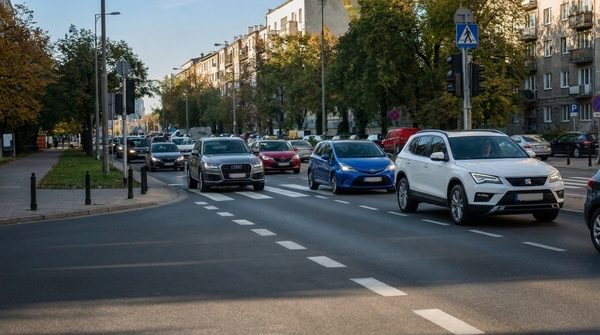
- In urban areas, the speed is limited to less than 50 km/h to reduce the severity of accidents, especially in the case of pedestrian collisions.
- On non-motorway roads, the limit is 90 km/h to minimize the severity of accidents.
- On motorways and expressways, the limit is 120 km/h, as these roads are designed to safely accommodate higher speeds.
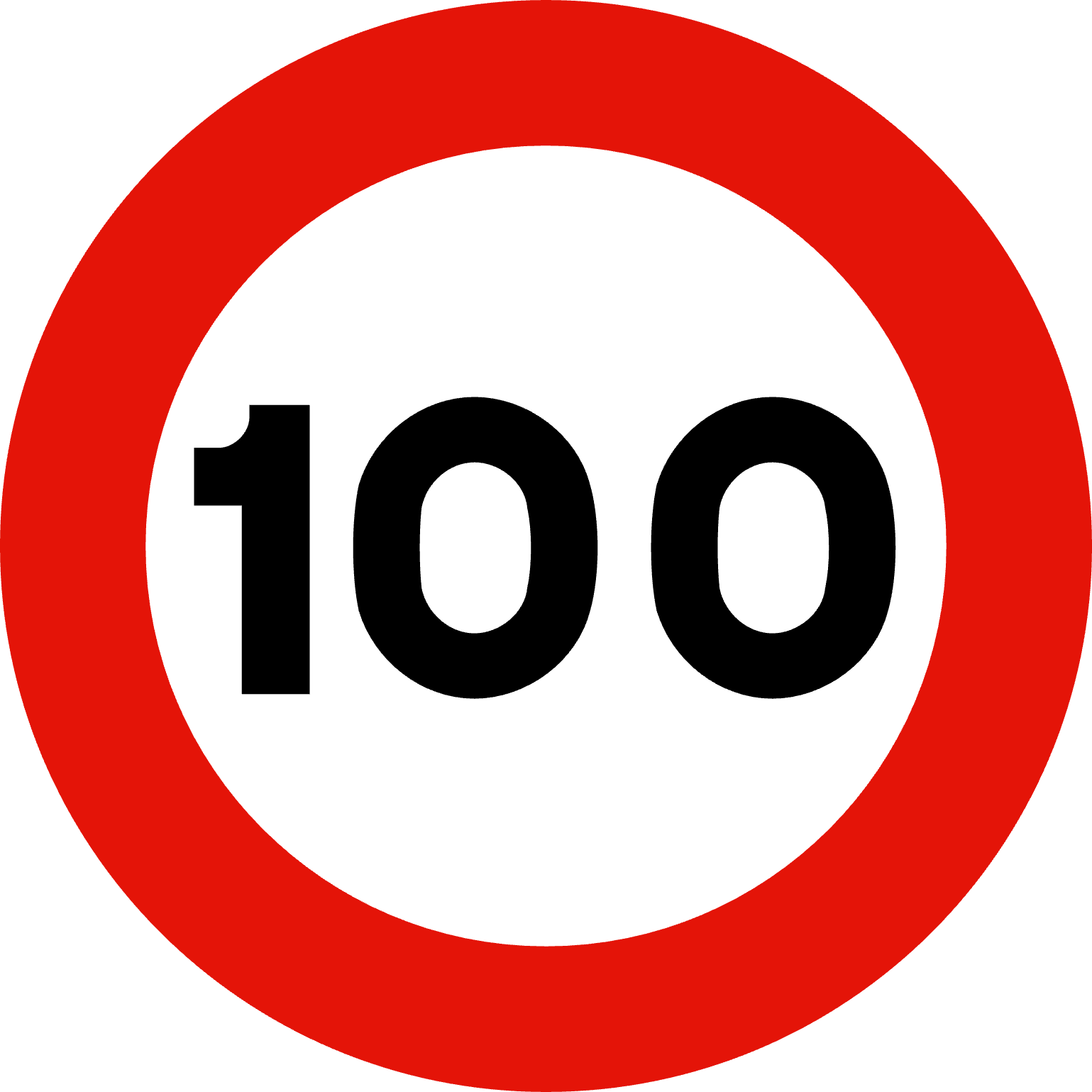
- Additionally, traffic influences the minimum permitted speed. For example, on motorways and expressways, the minimum speed is 60 km/h, but it can be lower if there is heavy traffic or if the road is in poor condition.
- In situations of heavy traffic or adverse conditions, it may be permissible to drive below the minimum speed to adapt to the circumstances.
Therefore, speed limits are adjusted according to the road layout and the traffic present to ensure safe and efficient circulation.
Select an answer
Keep going with more translated questions, explanations and full tests in the app.