The speed limits established on roads are intended to...
Speed
Explanation
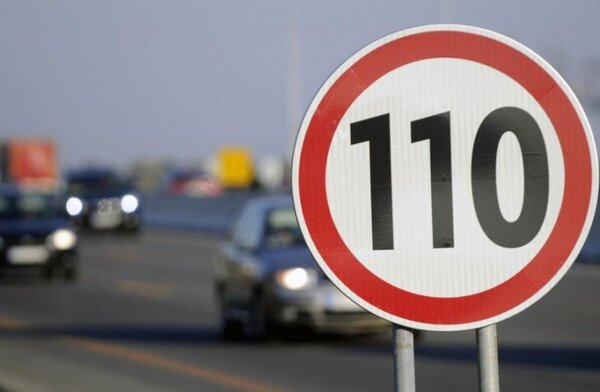
The **speed limits** on roads primarily aim to **ensure safety and traffic flow**. These limits are designed so that vehicles can travel in a **safe, easy, and comfortable** manner.
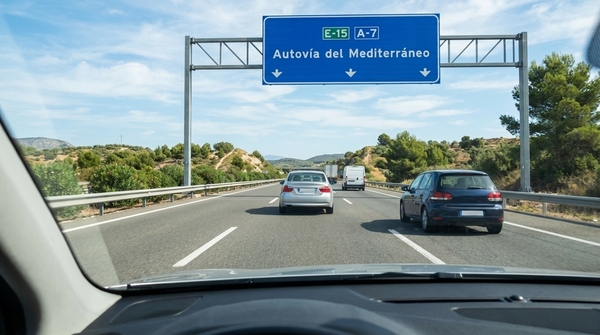
- The maximum permitted speed is set considering the **type of road** and its conditions. For example, in **towns and cities**, the limit is **less than 50 km/h** to increase the chances of pedestrian survival in case of a collision. On **roads that are neither highways nor expressways**, the limit is **90 km/h** to reduce the severity of accidents. On **highways and expressways**, it is recommended not to exceed **120 km/h** to increase the chances of surviving an accident.
- Respecting speed limits is crucial, especially in conditions of **reduced visibility**, such as driving at night. This allows the vehicle to be stopped more easily in the face of any danger or unforeseen event.
- The **appropriate speed** is one that adjusts to the permitted limits and the conditions of the weather, the road, the vehicle, and the driver's state. Driving at an appropriate speed improves vehicle control and reduces the risk of serious accidents.
In summary, speed limits not only seek the **safety** of all road users but also ensure an **efficient traffic flow**.
Select an answer
Keep going with more translated questions, explanations and full tests in the app.