What is the purpose of the speed limits set on roads?
Speed
Explanation
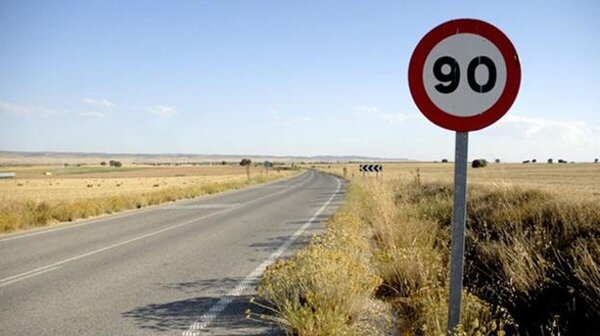
The **speed limits** have the main objective of **ensuring safety and fluidity** on the roads.
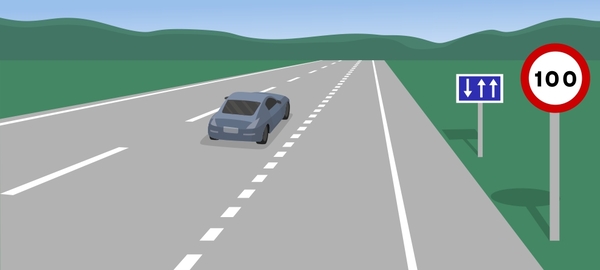
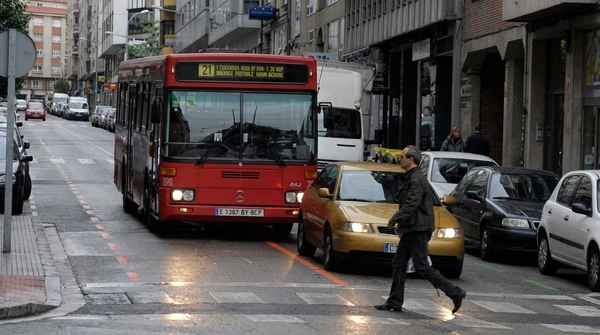
- **Safety:** Speed limits are designed for vehicles to travel safely. For example, in urban areas, one must drive at less than 50 km/h to increase the chances of a pedestrian's survival in case of a collision. On roads and highways, limits are set to minimize the severity of accidents.
- **Fluidity:** By maintaining an appropriate speed within the limits, a smoother and more comfortable flow of traffic is facilitated for all road users. This is especially important on highways and expressways, where a maximum speed of 120 km/h is allowed to ensure that traffic moves efficiently without compromising safety.
- **Adaptation to conditions:** Additionally, speed should be adjusted to the weather conditions, the road, the vehicle, and the driver's state. This not only improves safety but also contributes to a smoother flow of traffic by allowing better vehicle control in unforeseen circumstances.
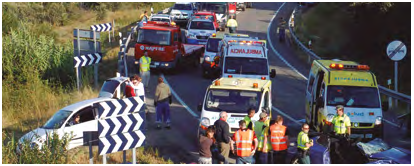
In summary, speed limits not only aim to protect road users but also ensure that traffic develops in an orderly and efficient manner.
Select an answer
Keep going with more translated questions, explanations and full tests in the app.