Navigation systems or GPS...
Human factor: Physical factors
Explanation
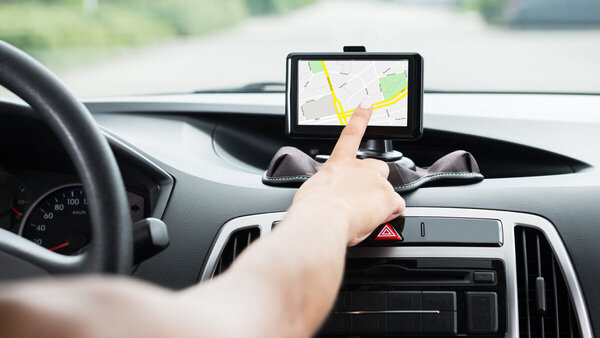
**Navigation systems or GPS** can be a significant source of **distraction** while driving. Although they are not directly mentioned in the provided excerpts, we can deduce their potential for distraction by comparing them with other active safety systems that are described.
- Systems like **traffic sign recognition (TSR)** and **lane departure warning (LDW)** are designed to **enhance safety** by alerting the driver to specific situations, such as exceeding the speed limit or unintentionally changing lanes. These systems act proactively to keep the driver's attention on the road.
- In contrast, a navigation system or GPS requires the driver to **divert their attention** to interact with it, whether to enter an address or to follow on-screen directions. This need for interaction can lead to the driver not paying enough attention to the road, increasing the risk of accidents.
- Furthermore, unlike safety systems that issue alerts or take corrective actions, a GPS does not have mechanisms to correct the distraction it may cause. Therefore, although it is a useful tool for navigation, its use while driving can be a **significant distraction**.
In summary, while other systems are designed to **minimize distractions** and improve safety, the GPS can divert the driver's attention, becoming a major cause of distraction.
Select an answer
Keep going with more translated questions, explanations and full tests in the app.