When a vertical sign contradicts a temporary beaconing element that modifies the normal traffic conditions on the road, which one prevails?
Signage: Vertical signs
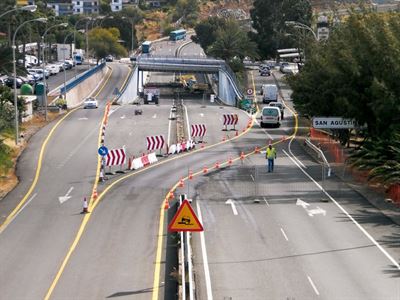
Explanation
Priority between temporary delineation and vertical signs
In traffic, there is an **order of priority** between the different types of signs. From highest to lowest priority:
1. **Orders from traffic officers** of the authority in charge of traffic surveillance.
2. **Temporary signage and delineation** that modifies the normal use of the road (for example, cones, barriers, temporary roadworks panels, temporary diversions).
3. **Traffic lights**.
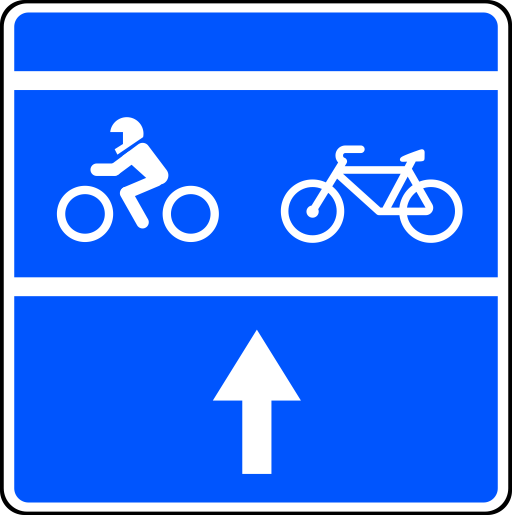
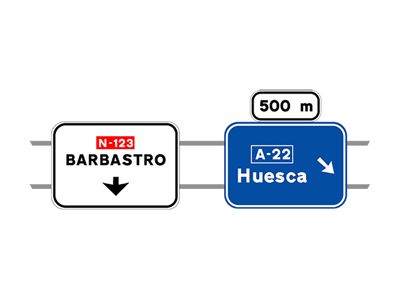
4. **Vertical traffic signs** (fixed signs on posts or gantries).
5. **Road markings** (paint on the carriageway).
When two signs give **contradictory** instructions and are of **different types**, you must always obey the one that has **higher priority** in this list.
Therefore, if a **temporary delineation element** contradicts a **vertical sign**, the **temporary delineation** prevails, because it is placed at a higher priority level.
In addition, when the conflicting signs are of the **same type**, you must always follow the **most restrictive** one, that is, the one that imposes **greater limitations** on driving.
Select an answer
Keep going with more translated questions, explanations and full tests in the app.